Quick CV Dropoff
Looking for your next opportunity? Upload your CV and one of our specialist consultants will review your details and get in touch if we have a suitable role that matches your skills and experience.

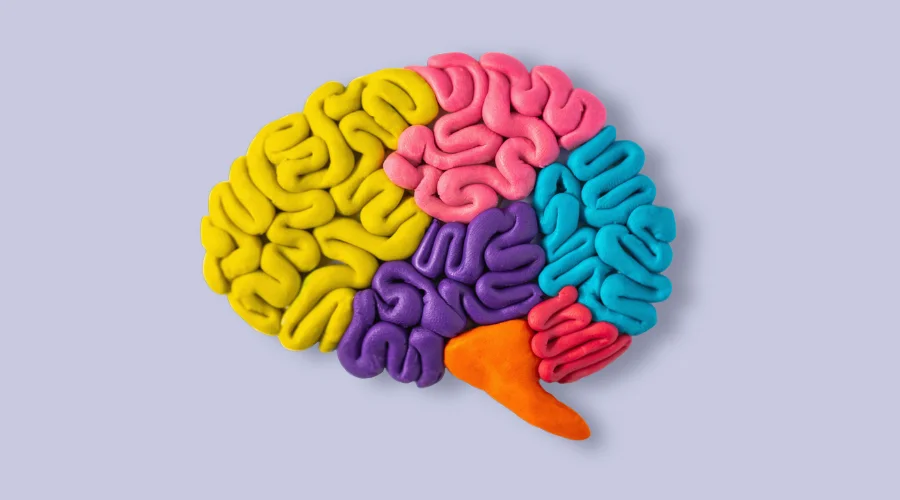
Diversity is often discussed in terms of background and identity, and rightly so, however, ensuring diversity in the way that people think is just as influential when an organisation is trying to make good decisions under pressure. Discussions and decisions relating to the issues organisations are currently facing - tight budgets, complex operational challenges, and growing demand – are more balanced where organisations have ensured a mix of thinking styles among senior leaders.
In addition to looking at cognitive diversity in depth, this blog looks at how it shows in real life, and how leaders can practically look to encourage diversity without unnecessarily complicating recruitment or governance.
What do we mean by cognitive diversity?
People approach problems differently. Some naturally focus on detail, others favour a focus on the bigger picture. Some want to test every assumption, while others prefer to focus on how to resolve a problem. These differences aren’t always visible by just looking at someone’s CV or background. Two people with very similar life experiences may bring completely different ways of thinking to a discussion. Equally, two people who look or sound very different may make decisions in almost identical ways. That’s why Boards can’t assume cognitive diversity is already present. Rather, it is something that has to be noticed, nurtured, and deliberately included.
Why it matters for Boards and leadership teams
Often, organisations naturally gravitate towards people who “think like us”. When you’re trying to fill a role quickly or keep meetings moving, that familiarity can feel efficient and reassuring. The difficulty is that, over time, it can narrow how a Board or senior team approaches decisions.
When everyone tackles problems in similar ways, you’re more likely to see:
This isn’t about intent, it’s simply how groups tend to behave when the mix of thinking styles is too similar. For non-profits responsible for public money, safeguarding, and reputation, a lack of cognitive variety can make it harder to spot risks early or test decisions thoroughly enough.
Where cognitive diversity shows its value
In practice, cognitive diversity supports:
1. Better challenge and decision-making
A range of thinking styles broadens the questions being asked, not just the answers being offered.
2. More robust risk management
Some people naturally prioritise caution, others opportunity. A mix prevents blind spots.
3. More innovative problem-solving
Varied mental models surface options that would otherwise be missed.
4. More resilient leadership
Boards with different ways of thinking tend to respond better to the unexpected because no single decision-making style dominates.
Recognising the barriers
Even the most self‑aware leaders can unintentionally limit cognitive diversity. Common patterns include:
These tendencies are completely normal. We all rely on familiar thinking styles because it makes discussions feel easier and more predictable. The aim isn’t to remove those instincts, it’s simply to notice when they start to influence decisions more than they should.
Practical ways to support cognitive diversity
You don’t need complex tools or assessments to bring more cognitive variety into a Board or leadership team. Often it comes from small, consistent habits.
1. Notice who speaks most (and who rarely gets a word in)
In meetings, pay attention to whose thinking the group leans on. Some people naturally take the lead; others won’t jump in unless invited. A simple “What’s your take on this?” can open the door to a different perspective you might have missed.
2. Focus on creating a space where people can be honest
People will only offer a contrasting viewpoint if they trust it won’t be dismissed. Encouraging curiosity, gentle challenges, and genuine questions often matters far more than any formal structure or policy.
3. Treat disagreement as a contribution, not a disruption
Every Board has moments where someone gives an answer nobody else was expecting. Instead of seeing that as awkward, it can be helpful to pause and explore it. Well-handled dissent is usually a sign of a healthy group, not a divided one.
4. Be open to candidates with different professional backgrounds
When recruiting Trustees or senior leaders, it’s easy to favour those who “fit the mould”. Sometimes the most useful additions are people who approach problems differently because they come from another sector, discipline, or way of working.
5. Give people chances to step outside their usual area
Rotating responsibilities or involving staff in cross‑team work can help them bring fresh thinking into places where they aren’t already experts. It can also reduce siloed decision‑making and encourage people to see issues through a wider lens.
Conclusion
Cognitive diversity won’t fix every organisational challenge, but without it, conversations tend to narrow. Decisions can start to feel predictable, risks are harder to spot, and fresh thinking becomes less frequent. Simply paying attention to how people think, not just their experience or background, helps create an environment where different viewpoints are genuinely welcomed and given space.
For non-profit leaders making difficult decisions under pressure, this mix of thinking styles can be a quiet but powerful advantage. It encourages steadier discussions, better‑tested ideas, and choices that feel more considered. In a sector where scrutiny is high and resources are tight, that balance can make a meaningful difference.